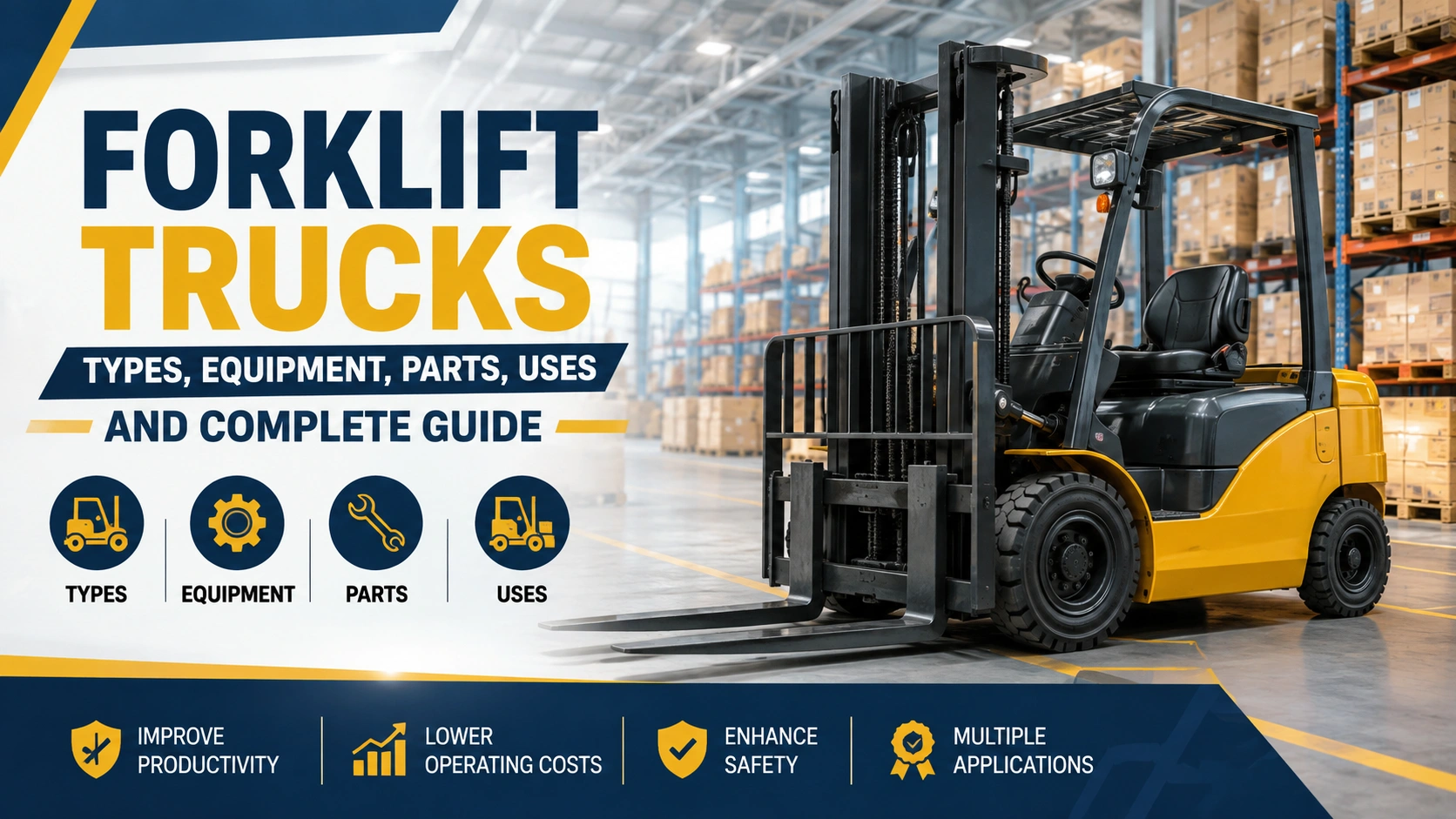
Forklift trucks are indispensable machines for lifting, moving, stacking and positioning heavy loads. They are used in a wide variety of industries such as construction sites, manufacturing facilities, distribution centers, logistics centers and warehouses.
There are a variety of sizes, load capacities, power systems, mast designs and tire options available to the modern forklift. The factors for choosing the right forklift include load capacity, lifting height, aisle width, operating environment, fuel type and application.
A powered industrial vehicle with forks attached to a lifting mast that is used to lift and move material. Forks are placed under pallets, boxes, machinery or similar load, and are lifted to a desired height.
Forklifts may be electrically, diesel, LPG powered or powered by other means. In most cases, electric forklifts are the preferred choice for indoor use, while diesel forklifts are the preferred choice for heavy-duty and demanding outdoor applications.
Knowing the various kinds of forklifts enables companies to pick the right gear for their product handling needs.
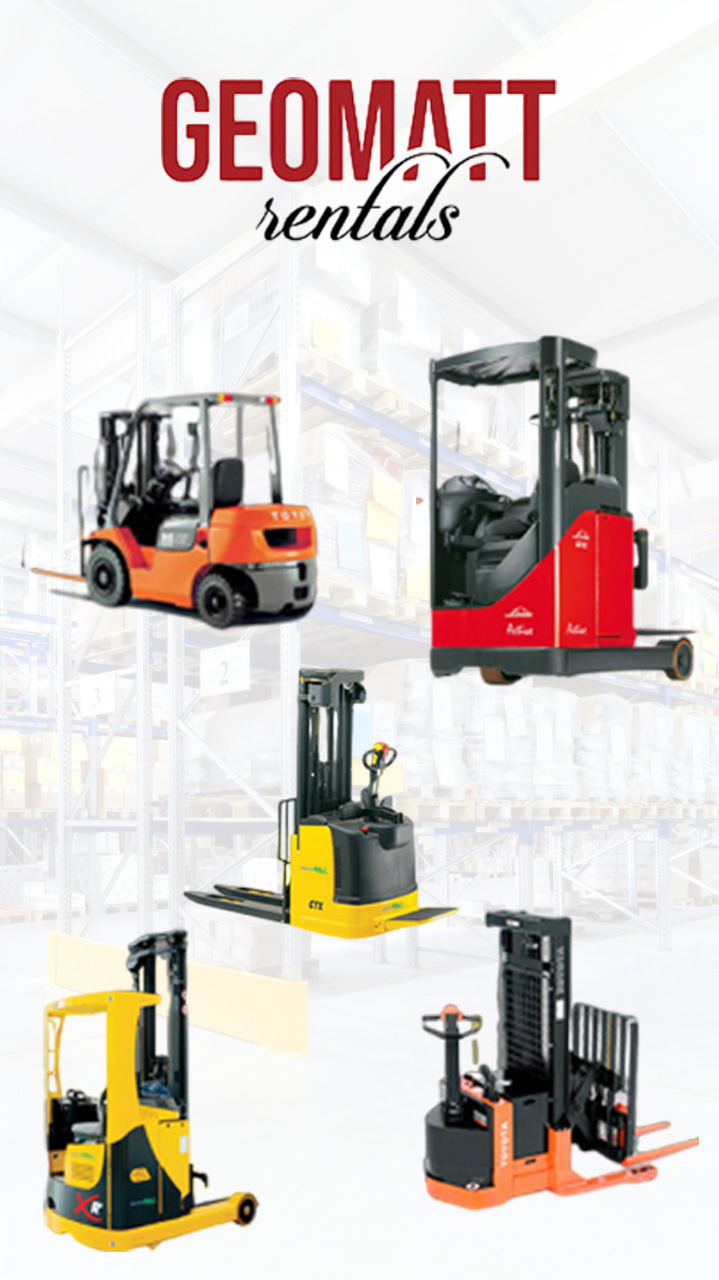
Some of the most popular forklift types are counterbalance forklifts. Their front end has forks and their back end has a counterweight, which balances the weight. They come in three-wheel and four-wheel models, and are utilized in manufacturing plants, warehouses and loading zones.
Electric forklift is powered by rechargeable batteries and can be used indoors. They are also known for their quiet operation and are widely employed in various industrial settings such as: pharmaceutical plants, food production lines, manufacturing facilities, retail distribution centers, and warehouses.
A diesel forklift machine is engineered for heavy duty material handling particularly in the outdoors. The construction sites, ports, steel plants, manufacturing facilities and outdoors warehouses that must operate without a moment's pause for long durations of time and with high-capacity forklift trucks have been the specific applications for diesel forklifts.
A reach truck is designed for high-density warehouses and narrow aisles. Its reach mechanism lets the forks reach out in front to grab pallets from inside high racks. Reach trucks can be beneficial to maximise vertical storage and to make the warehouse more efficient.
Rough Terrain Forklifts are built for rough terrain such as outside surfaces. They are typically equipped with tires, high ground clearance and sturdy build. They are often employed in construction, farming, forestry, and outdoor materials moving.
Side loaders are used to move bulky long items like metal sheets, pipes, steel and timber. Their side loading design can be beneficial in narrow spaces that may make it challenging to turn a standard forklift.
Your business might require
Turret forklifts are ideal for narrow spaces and high storage. Articulated forklifts are known for their turning capabilities and they are great for small warehouses.
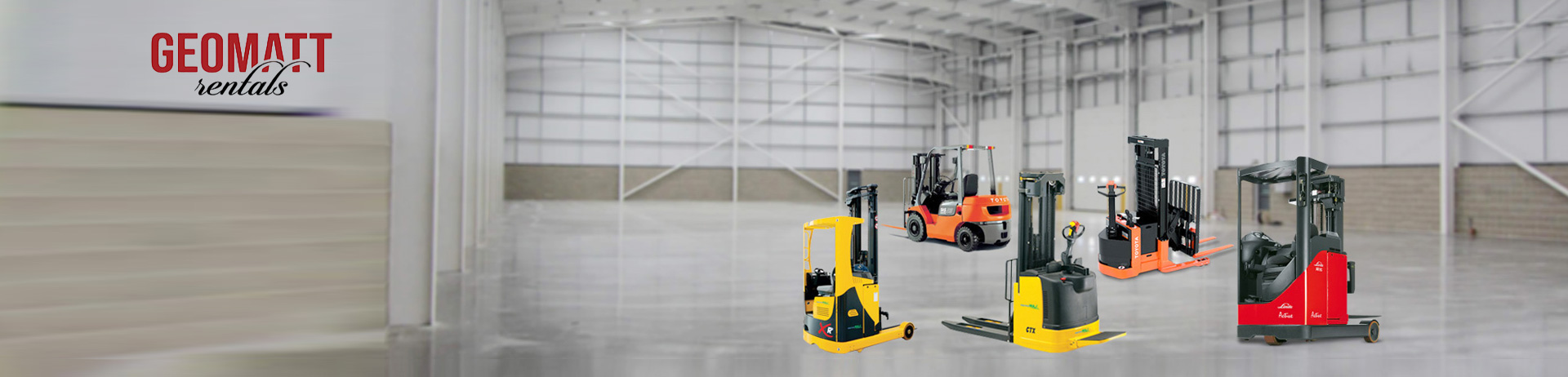
There are various trucks and attachments available for modern forklift equipment to do different jobs. The equipment used may vary but includes counterbalance forklift, electric forklift, diesel forklift, reach truck, pallet stacker, rough terrain forklift, and turret truck.
Common attachments include:
Attachments should be used according to the rated capacity and application of the forklift.
It's crucial to know the forklift truck parts to maintain and operate safely.
Forklifts have various applications in various industries. They move and stack pallets, and retrieve products from racks in warehouses. They transport building materials and heavy-duty equipment in the construction industry. Forklifts are used in manufacturing plants to move raw materials, parts and goods around. They are utilized in loading and unloading in logistics centers, moving pallets and for order fulfillment.
Rough terrain forklifts are better for outdoor construction settings, a reach truck is especially beneficial for use in warehouse rack storage.
Several benefits can be gained when using the right forklift:
The right forklift can help to boost productivity and material handling efficiency.
Prior to buying or leasing a forklift, you should keep in mind:
Select a forklift which can safely lift the highest load and load center.
Depending on your stacking or rack height needs, choose a mast type.
Identify the environment the forklift will be used in, whether it be indoors, outdoors, smooth or rough surface.
A reach truck or other specialized narrow-aisle equipment might be necessary in narrow warehouses.
Select electric, diesel, LPG or other power system based on the requirements of the application, power requirements and emission levels.
Cushion tires are normally used on smooth indoor floors and pneumatic tyres are used on uneven outdoor surfaces.
Also take into account availability of spare parts, service support, battery or engine maintenance, tires, and operating costs.
Regularly used and maintained forklift is crucial to forklift safety. Operators to be appropriately trained, pre-shift forklift checks, forks and tires to be checked, not to exceed rated capacity, load properly, maintain good visibility, drive forklift at controlled speeds, wear seat belts, keep pedestrians away from operating areas.
Ongoing maintenance and safety checks can minimise equipment failures and operational risks.
When the need for materials handling is temporary, seasonal or just a short-term spike, forklift hire can be beneficial. For companies that have ongoing forklift activities, buying might be a better option.
Compare the frequency of use, length of project, needed capacity, maintenance expenses, operator availability, downtime, and cost of ownership before deciding.
Forklift trucks play a crucial role in streamlining material management in various settings, such as warehouses, manufacturing facilities, construction sites, and logistics operations. In order to choose the right forklift truck for their needs, businesses should be familiar with the different types of forklifts, as well as the various types of forklift equipment and forklift truck parts.Businesses can understand forklift types, types of forklifts, forklift equipment, forklift truck parts, and applications in order to select the right forklift truck for their needs.
When choosing a forklift to purchase or rent, consider load capacity, lifting height, aisle width, operating environment, power source, tire type, maintenance requirements and total cost of ownership. The right forklift can help to enhance productivity, optimize storage space, minimize manual handling and promote safer operations.
The main types of forklifts include counterbalance, electric, diesel, reach, rough terrain, side loader, turret, and articulated forklifts.
A reach truck is mainly used in warehouses to access pallets stored at high elevations in narrow aisles.
Forklift equipment includes powered industrial trucks, forks, attachments, lifting systems, and accessories used for material handling.
Diesel forklifts are commonly used for heavy-duty outdoor applications such as construction, manufacturing, ports, and steel industries.
All Right Reserved by Geomatt
Designed by Mirackle Solution